
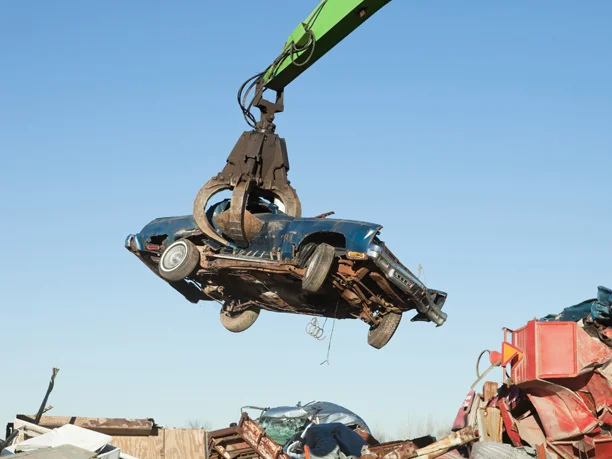
One of the first questions people ask before selling an old vehicle is, “How much is my scrap car worth?” It’s a fair question, but the answer isn’t as simple as looking at the car’s age or whether it still starts.
Every scrap vehicle has its own value based on a combination of factors. Some cars are worth more because they contain highly sought-after parts, while others derive most of their value from recyclable metals. Even two vehicles of the same make and model can receive different valuations depending on their condition, mileage, maintenance history, and current market demand.
If you own an old, damaged, accident-affected, or non-running vehicle in Melbourne, understanding how scrap cars are valued can help you make informed decisions before selling.
At Apex Cash for Car, we assess every vehicle individually rather than using a one-size-fits-all pricing model. In this guide, we’ll explain the factors that influence scrap car value, common myths about pricing, and practical ways to maximise your vehicle’s worth.
Is Every Scrap Car Worth the Same?
No.
One of the biggest misconceptions is that all scrap cars are valued purely by weight. While metal recovery certainly contributes to the overall value, it is only one part of the assessment.
Professional vehicle buyers consider multiple factors before determining what a vehicle may be worth.
These include:
- Vehicle make and model
- Age
- Mechanical condition
- Body condition
- Current demand for replacement parts
- Vehicle completeness
- Metal recovery value
- Market conditions
Each factor contributes differently depending on the vehicle itself.
The Biggest Factors That Affect Scrap Car Value
1. Make and Model
Certain manufacturers produce vehicles with parts that remain in demand for many years.
Popular Japanese, Korean, Australian, European, and American vehicles often continue supplying replacement components long after production ends.
If your vehicle belongs to a model with strong aftermarket demand, it may retain additional value even if it no longer runs.
2. Vehicle Age
Age influences value, but not always in the way people expect.
An older vehicle isn’t automatically worth less.
Some older vehicles:
- Have valuable mechanical components.
- Contain desirable spare parts.
- Feature durable engines.
- Use materials with strong recycling value.
Meanwhile, a newer vehicle with extensive accident damage may actually provide fewer reusable components.
3. Mechanical Condition
The condition of major mechanical systems has a significant impact on valuation.
Important components include:
- Engine
- Transmission
- Suspension
- Differential
- Steering system
- Electrical components
Working mechanical assemblies often provide additional recovery opportunities.
Even if the vehicle itself isn’t roadworthy, some individual parts may still be suitable for reuse.
4. Body and Structural Condition
Exterior condition also influences value.
Professional assessors examine:
- Rust
- Collision damage
- Structural integrity
- Panel condition
- Corrosion
- Flood damage
Vehicles with minimal structural damage generally provide more reusable body components.
5. Vehicle Completeness
A complete vehicle is usually more valuable than one with missing components.
For example, missing:
- Wheels
- Engine
- Gearbox
- Catalytic converter
- Interior components
may reduce overall recovery opportunities.
Keeping the vehicle intact before selling generally allows for a more comprehensive assessment.
6. Demand for Spare Parts
Some vehicles continue generating strong demand because thousands remain on Australian roads.
Replacement parts for these vehicles are frequently needed by:
- Repair workshops
- Mechanics
- Automotive specialists
- Vehicle owners
High demand can increase the value of reusable components.
7. Metal Recovery Value
Every vehicle contains recyclable metals.
These commonly include:
- Steel
- Aluminium
- Copper
- Stainless steel
The quantity of recoverable metal varies depending on vehicle size and construction.
Because scrap metal markets fluctuate, this portion of the valuation may change over time.
8. Current Market Conditions
Vehicle valuations are also influenced by broader automotive market trends.
Examples include:
- Demand for used parts
- Metal prices
- Availability of replacement vehicles
- Seasonal demand
- Industry supply
Professional buyers monitor these conditions regularly when assessing vehicles.
Does a Non-Running Car Still Have Value?
Absolutely.
Many people assume that once a vehicle stops running, it becomes worthless.
In reality, non-running vehicles often contain:
- Working alternators
- Starter motors
- Wheels
- Suspension assemblies
- Doors
- Mirrors
- Interior components
- Electronics
- Catalytic converters
Even if the engine has failed, numerous parts may still contribute value.
Does Accident Damage Mean My Car Is Worthless?
Not necessarily.
Many accident-damaged vehicles continue providing value because:
- The engine survived.
- The transmission remains operational.
- Interior components remain undamaged.
- Wheels and tyres are reusable.
- Electronics remain functional.
Professional vehicle assessments look beyond visible damage.
Can High Kilometres Reduce Value?
High mileage is considered during assessment, but it isn’t the only deciding factor.
Some high-kilometre vehicles have:
- Excellent maintenance history
- Reliable mechanical condition
- Valuable replacement parts
Meanwhile, low-kilometre vehicles that suffered severe accident damage may provide fewer recovery opportunities.
Overall condition usually matters more than mileage alone.
How to Increase the Value of Your Scrap Car
Although some factors cannot be changed, there are several ways to present your vehicle more effectively.
Keep the Vehicle Complete
Avoid removing components before requesting an assessment.
Complete vehicles generally provide greater recovery opportunities.
Gather Vehicle Information
Having accurate details available helps create a more efficient assessment.
Useful information includes:
- Make
- Model
- Year
- Kilometres
- Registration status
- Known mechanical issues
Be Honest About Condition
Accurate information allows buyers to assess the vehicle correctly.
Unexpected damage discovered later may delay the process.
Remove Personal Belongings
Before collection, check:
- Glove box
- Boot
- Centre console
- Door pockets
- Under seats
Many owners discover forgotten personal items before selling.
Common Myths About Scrap Car Pricing
Older Cars Have No Value
False.
Many older vehicles remain valuable because of parts demand and recyclable materials.
Only Running Cars Are Worth Selling
Incorrect.
Mechanical failure does not eliminate recovery opportunities.
Every Buyer Pays the Same
Different businesses may assess vehicles differently depending on:
- Recovery methods
- Parts demand
- Recycling capabilities
- Business model
Choosing an experienced buyer matters.
Vehicle Weight Is All That Matters
Weight contributes to value but represents only one part of the overall assessment.
Professional evaluations consider much more than metal content alone.
Why Professional Vehicle Assessments Matter
Online pricing estimates often rely on basic information and cannot account for the individual characteristics of your vehicle.
Professional assessments consider:
- Complete vehicle condition
- Market demand
- Reusable components
- Recovery potential
- Current recycling value
This provides a more accurate understanding of what your vehicle may actually be worth.
Why Melbourne Owners Choose Apex Cash for Car
At Apex Cash for Car, we understand that every unwanted vehicle has a different story.
Some customers are replacing ageing family cars.
Others are retiring commercial vehicles.
Many simply want to remove a vehicle that has become too expensive to maintain.
Our approach focuses on:
Individual Vehicle Assessments
No generic pricing models.
Every vehicle is evaluated on its own merits.
Acceptance of Many Vehicle Types
We assess:
- Passenger vehicles
- SUVs
- Utes
- Vans
- Fleet vehicles
- Scrap cars
- Accident-damaged vehicles
- Non-running vehicles
Professional Collection
Our team helps arrange vehicle removal throughout Melbourne.
Responsible Recycling
Where possible, components and materials continue contributing through reuse and recycling.
Frequently Asked Questions
If your vehicle contains reusable components or recyclable materials, it is likely to retain some value regardless of whether it still runs.
Not necessarily. Overall condition, demand for parts, and recovery potential are often more important than age alone.
Yes. Unregistered vehicles can still be professionally assessed.
It depends on the component. Missing major mechanical assemblies may affect the overall valuation more than smaller items.
Not always. In some cases, the repair cost may exceed any increase in value. A professional assessment can help determine whether repairs are worthwhile.
Larger vehicles may contain more recyclable material and components, but the final value depends on many different factors.
Find Out What Your Scrap Car Is Really Worth
No two scrap cars are identical, which is why accurate assessments require more than simply checking the vehicle’s age or weight. A professional evaluation considers the complete condition of the vehicle, the demand for reusable components, current recycling opportunities, and broader market conditions.
At Apex Cash for Car, we provide Melbourne vehicle owners with professional assessments based on real vehicle characteristics rather than assumptions. Whether your vehicle is damaged, non-running, accident-affected, or simply too costly to repair, we’ll help you understand its remaining value through a straightforward and transparent process.
If you’ve been asking “How much is my scrap car worth?”, contact Apex Cash for Car today and let our experienced team provide a professional assessment of your unwanted vehicle.


